Saturday
7th Nov 2026
Dhivehi Edition
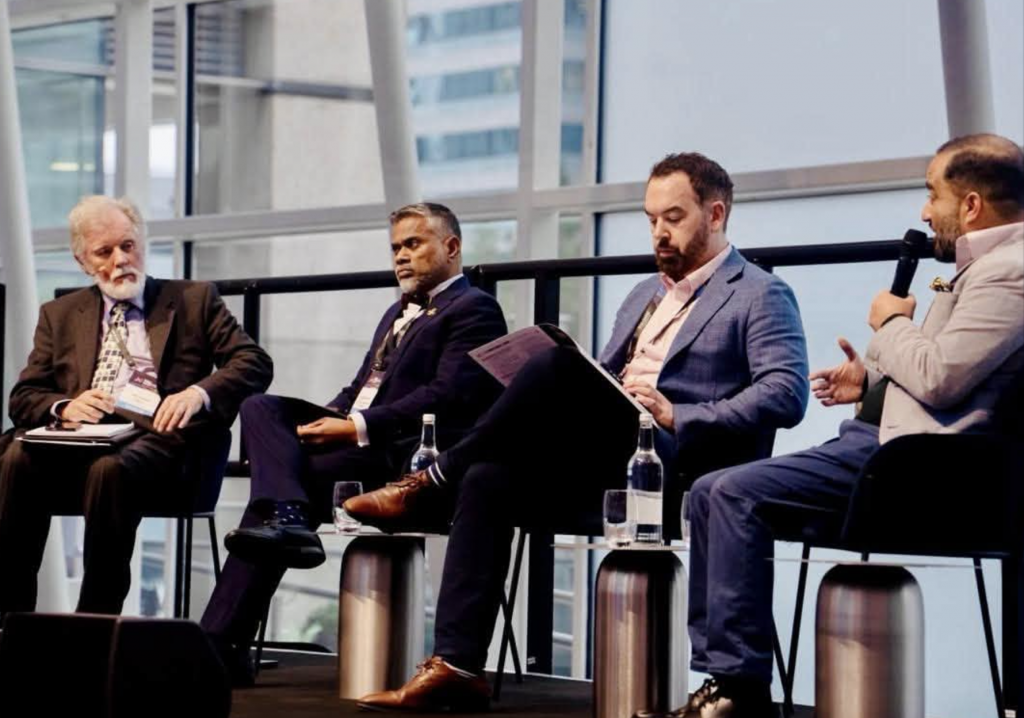
Prosecutor General Abbas Shareef has said that artificial intelligence (AI) will not be allowed to make decisions on criminal prosecutions or alter evidence, as the Maldives works towards establishing a framework for the responsible use of AI in its prosecution system.
Speaking at the World AI Regulation Summit 2026 in London, Shareef outlined the challenges faced by small island and developing states in regulating emerging technologies, particularly in the absence of frameworks designed to address their specific circumstances.
In a Facebook post following the summit, Shareef said the Prosecutor General's Office (PGO) had spent the year developing rules to govern the use of AI before introducing the technology into its operations.
"Our position is simple. Technology assists; people decide. No decision to prosecute will be made by a machine, and no AI will alter evidence," he said.
Shareef also revealed that the work undertaken by the PGO had received positive recognition from international participants at the summit.
According to Shareef, several attendees at a summit dinner observed that the efforts of the prosecution authority in a small country such as the Maldives could serve as an example for other small states.
He attributed the recognition to the staff of the PGO, acknowledging their efforts in establishing governance principles for the use of AI.
Shareef further argued that the limited size of institutions in small states should not prevent them from adopting emerging technologies or developing appropriate regulatory safeguards.
"Being small is not a reason to wait. It means we can move carefully, see the effects of our choices clearly, and correct course quickly," he said.
He added that the Maldives would share the lessons learned from its experience with other small states while continuing to learn from their approaches to AI governance.